Freight Fraud Is Changing, Why Brokers and Carriers Need Shared Standards
Staff
Published October 22, 2026
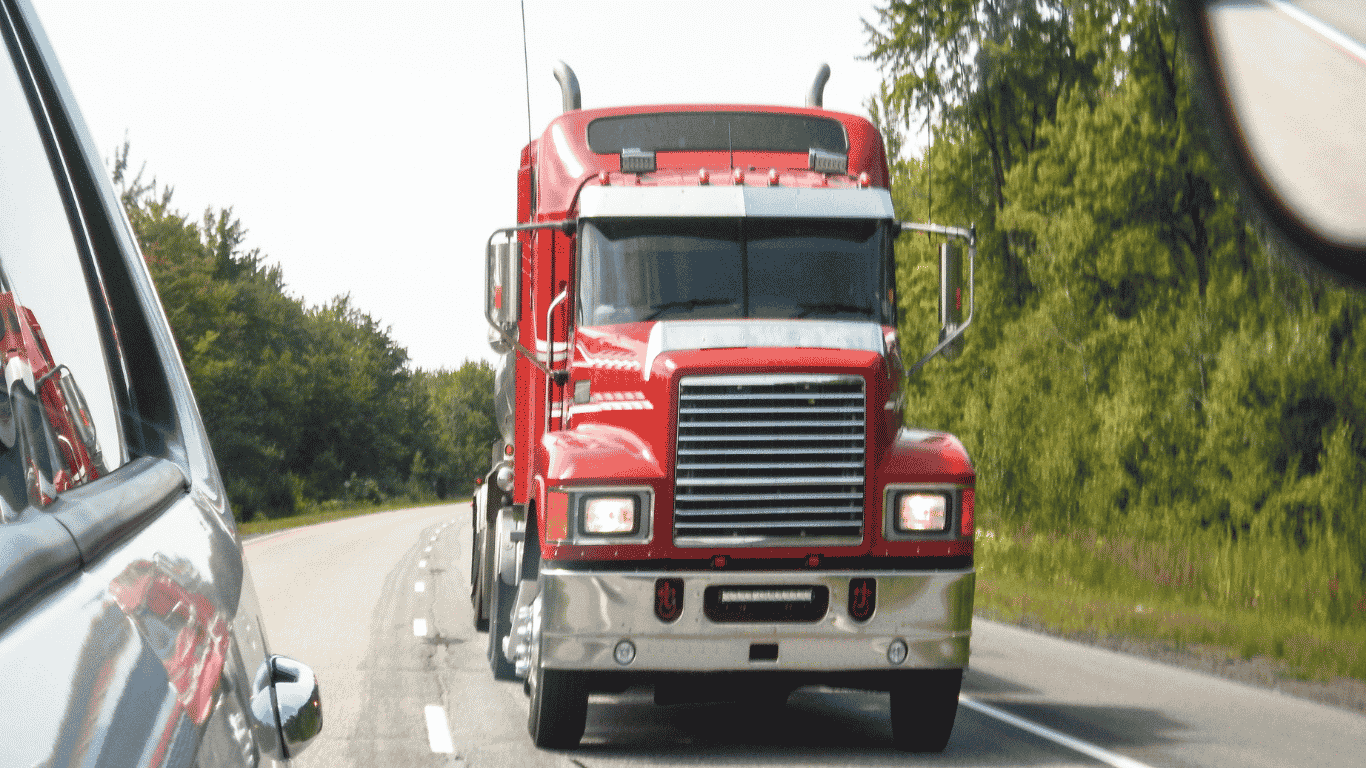

Cargo thieves are increasingly exploiting weaknesses between brokers and carriers rather than simply bypassing established rules, says Highway's Michael Caney.
Freight fraud is increasingly targeting the gaps between brokers and carriers. Criminals impersonate legitimate carriers, intercept shipment information and redirect loads to steal valuable cargo. Michael Caney, chief commercial officer at Highway, argues that no single technology provider can eliminate these vulnerabilities alone. Instead, the industry needs shared standards for the data brokers rely on when evaluating and selecting carriers.
Highway provides freight brokers with carrier identity verification and risk assessment tools. Caney has previously compared the company to Plaid in the financial technology sector, describing Highway as a similar infrastructure provider for freight. He said the company serves approximately 1,500 brokers that rely on its services to manage risk. Through its extensive customer base and network of integrations, Highway has access to significant amounts of data about who is transporting truckload freight across North America and which shipments face a greater risk of theft.
This information also supports Highway's performance guarantee. If a broker follows the company's recommendations but a shipment is stolen anyway, Highway provides $100,000 in coverage. According to Caney, the company has protected one million loads under this guarantee, with only one resulting loss.
Highway presented its guarantee to customers during its user summit, held Aug. 31 through Sept. 2 in Frisco, Texas. Another major focus of the event was expanding the company's shared accountability model, which aims to make more participants in the freight transportation process responsible for the data they provide and the risks they introduce.
The model begins by examining everyone involved in moving a shipment. Caney said he once viewed a load as involving two primary parties: the broker and the carrier. His perspective has since expanded to include five participants. The additional three are the insurance agent and insurer, the factoring company, and the telematics provider.
"All of these parties provide data and introduce risk, yet none is accountable when a theft occurs," Caney said in an interview. "There's no incentive alignment."
Insurance and Factoring Data Leave Critical Gaps
Insurance-related information is one area where communication failures can create significant risks. For example, a carrier may remove a truck from its scheduled auto insurance policy without that change being properly communicated from the insurer to the insurance agent and then to Highway. As a result, a broker might not discover that the vehicle lacks coverage until after an accident or cargo damage occurs.
"How many insurance agents have come forward and said, 'I'm sorry. That's on me. Let me help you, Mr. Freight Broker'?" Caney said. "Zero."
Factoring companies, which purchase freight invoices from carriers to provide faster access to cash, present another potential gap in the system. According to Caney, many factoring providers primarily focus on whether the broker responsible for payment is financially reliable.
"As long as the debtor is creditworthy and the factoring company can collect what it's owed, it has little incentive to care if its customer steals freight. There's no accountability," he said.
These examples illustrate a broader challenge for the industry: when information is inaccurate, outdated or poorly communicated, brokers may face risks without realizing that critical details have changed.
A Certified Network of Providers Willing to Stand Behind Their Data
Stay Informed
Get freight market insights delivered to your inbox
Join industry professionals receiving our weekly analysis.
Highway's proposed solution is a certified network of service providers that agree to take responsibility for the accuracy and reliability of the information they supply.
The first stage of this initiative, known as Highway Certified Insurance Agencies, launched June 1 with 10 founding agencies. Participating agencies commit to providing accurate insurance certificates, coverage information linked to specific vehicle identification numbers (VINs), and timely notifications of policy changes, cancellations and nonrenewals.
Highway intends to expand the certification program to include additional service providers operating within the brokered freight industry.
Caney said customers encouraged Highway to establish the network because they were concerned about the quality of information available to brokers. Problems included inaccurate policy dates, incorrect VIN details and other inconsistencies that could interfere with effective carrier verification.
Caney also argued commentary that electronic logging device (ELD) data should be subject to enforceable industry standards. He said Highway applies its own integration requirements in addition to checking whether providers meet Federal Motor Carrier Safety Administration (FMCSA) registration requirements.
"There are FMCSA-certified ELD providers that we won't integrate with," Caney said.
The proposal received mixed reactions from the providers Highway approached. Some welcomed the initiative, viewing it as an opportunity to distinguish themselves from competitors that fail to maintain the same standards.
"We heard from people who said, 'This is exactly what the industry needs. I'm tired of competing against those who cut corners,'" he said. "But not everyone welcomed that level of accountability."
Freight Fraud Is Shifting From Rule-Breaking to Process Manipulation
The push for industry standards reflects the changing tactics used by cargo thieves. Caney said social engineering has become a significant threat, with criminals increasingly using sophisticated methods to manipulate brokers and exploit routine business procedures. These tactics include voice-based artificial intelligence that can be used to contact brokers and request that load information be sent to a different email address or shared through text messages.
"What is happening with fraud is a direct attack on process," he said. "It's no longer just about a set of rules."
Caney views fraud prevention partly as a matter of decision-making. Highway warns brokers that sending a rate confirmation as an email attachment can significantly increase the likelihood of a load being stolen. Similarly, a carrier holding a limited-term commercial driver's license (CDL) is not necessarily fraudulent, he explained, but working with that carrier may require two or three additional verification steps.
The overall risk, however, is concentrated within a relatively small portion of the market. Highway said in September that more than 82% of carriers moving brokered freight qualified for its performance guarantee.
Caney estimated that, within many broker networks, approximately 6% of carriers are businesses brokers should avoid engaging with. Despite those risks, some brokers continue to assign loads to these carriers.
"If you're shopping on the day-old bread aisle, you shouldn't be surprised when the bread is stale," he said.
Loads assigned to carriers within that 6% group are not covered by Highway's performance guarantee.
Greater Accountability for Brokers Following Montgomery
The consequences of carrier-selection decisions became more significant in May, when the U.S. Supreme Court unanimously ruled in Montgomery v. Caribe Transport II that freight brokers may face state-law negligent-hiring claims related to the carriers they select.
Caney said brokers should be cautious about anyone claiming to have a complete solution to freight fraud, including Highway itself.
"You're dealing with people's livelihoods, including the broker's. After Montgomery, that's a serious responsibility," he said.
To illustrate what the freight industry could achieve, Caney pointed to established standards in other sectors, including Visa's payment network and the Buttonwood Agreement associated with early stock trading. In his view, freight transportation has yet to establish a comparable framework that brings all relevant participants together under consistent rules.
Meaningful progress will require cooperation across the industry, he said, rather than relying on individual companies to develop separate approaches to security and accountability.
"We have to come together and agree on some ground rules if we want to be part of the rising tide that lifts all boats," Caney said. "Highway is trying to help set and steward those standards, but the industry has to decide what it's willing to tolerate."